THE ETHICAL LIVED EXPERIENCE ENGAGEMENT TEST™
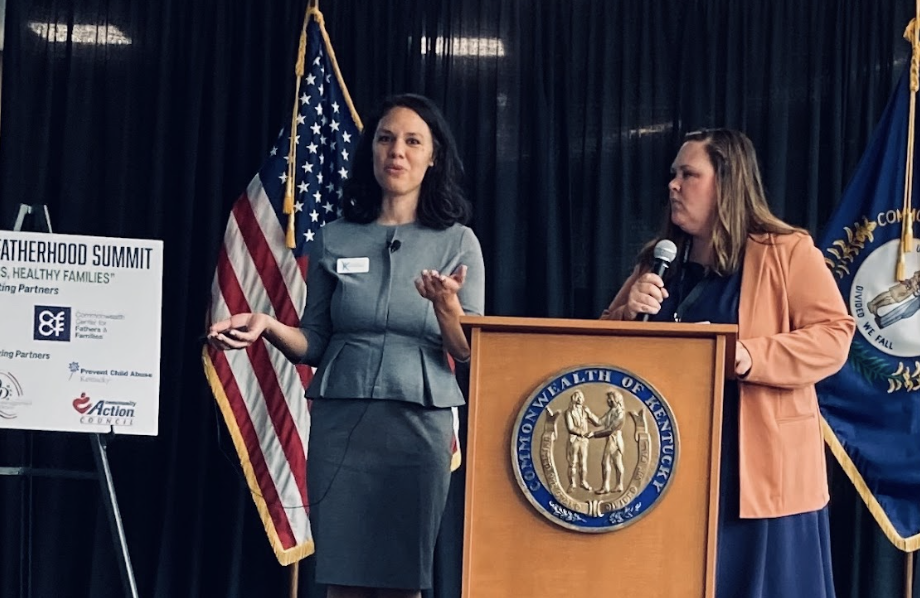
Valerie partners with organizations to design ethical engagement structures, strengthen accountability, and integrate lived experience into decision-making in meaningful and sustainable ways.
A framework for evaluating responsible lived experience engagement
Examine whether the conditions for ethical participation actually exist in your organization. This framework evaluates how protection, power, and accountability are structured.
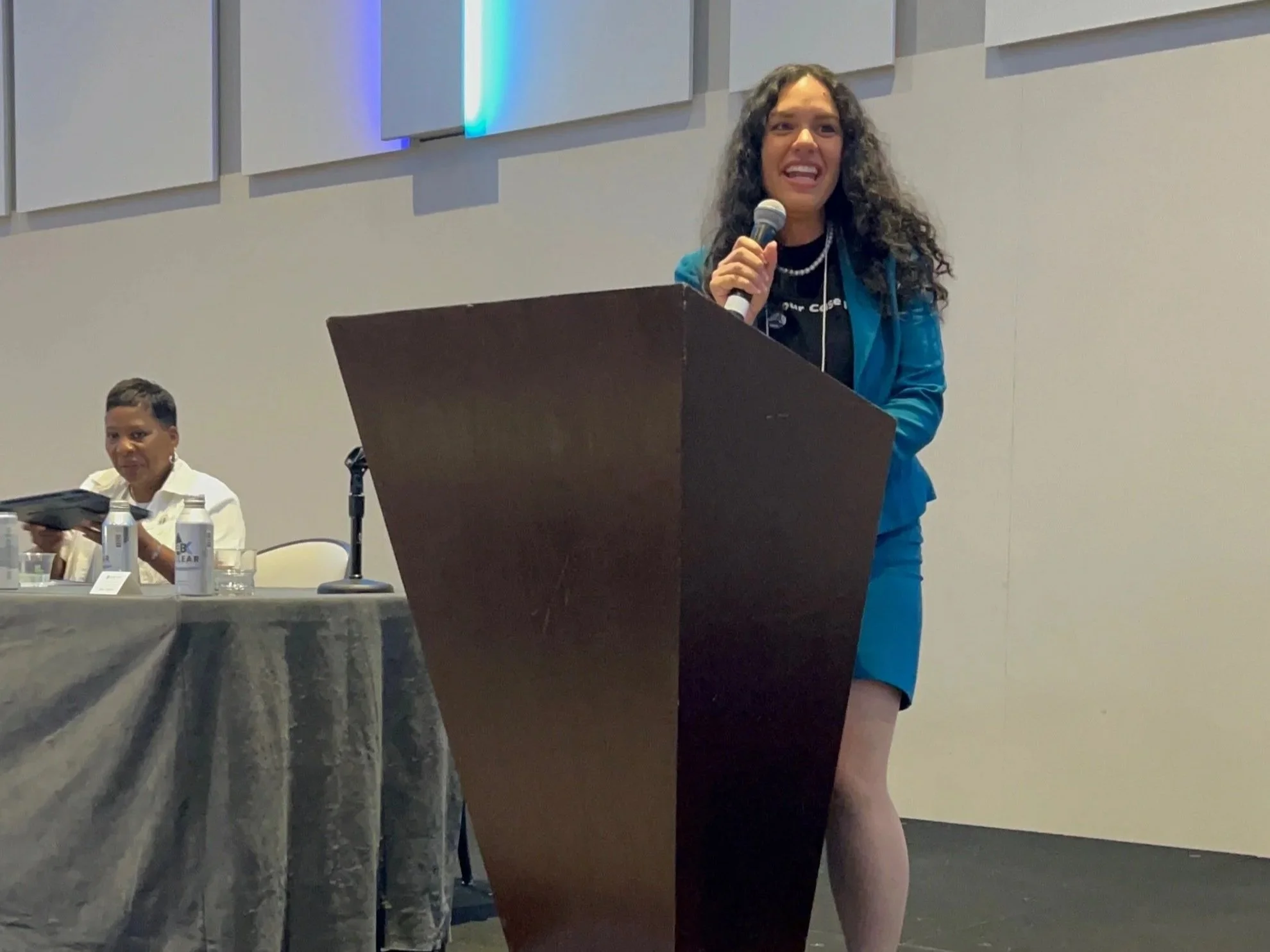
Across child welfare, public health, education, and other public systems, organizations are increasingly expected to include lived experience in their work.
But inclusion alone does not make engagement ethical.
Too often, families and directly impacted people are invited to share their experiences without the protections, authority, or accountability structures necessary to make participation meaningful. The result is engagement that appears participatory while ultimately reinforcing existing power structures.
Most engagement frameworks begin with participation.
The Ethical Engagement Test™ begins with protection.
The Ethical Engagement Test™ examines whether the conditions for ethical participation actually exist. Rather than focusing only on who is present in a room, it evaluates how protection, power, and accountability are structured.
The Ethical Engagement Test™ evaluates five conditions.
If even one of these conditions is missing, engagement can unintentionally become extractive.
THE FIVE CONDITIONS
Ethical engagement requires the presence of five conditions:
Protection
Participants must be protected from retaliation, reputational harm, or professional consequences.
Power
Participation must include real influence over decisions, not just opportunities to provide feedback.
Accountability
Organizations must demonstrate how feedback changes decisions, policies, or outcomes.
Boundaries
Participation must respect consent, emotional limits, and the right to disengage.
Ownership
Lived experience must remain with the people who carry it, including narrative control and shared credit.
Why This Framework Matters
Many engagement efforts fail not because organizations lack good intentions, but because they lack the structural conditions necessary for ethical participation.
The Ethical Engagement Test™ helps leaders pause and ask whether their systems are truly ready for lived experience engagement.

Ethical Engagement Readiness Check™
Before launching engagement initiatives, organizations should evaluate whether the conditions for ethical participation actually exist.
The Ethical Engagement Readiness Check™ is a short diagnostic designed to help leaders examine:
whether participants are protected
where decision-making power actually sits
how accountability is structured
whether boundaries are respected
who ultimately owns the work
GOING DEEPER
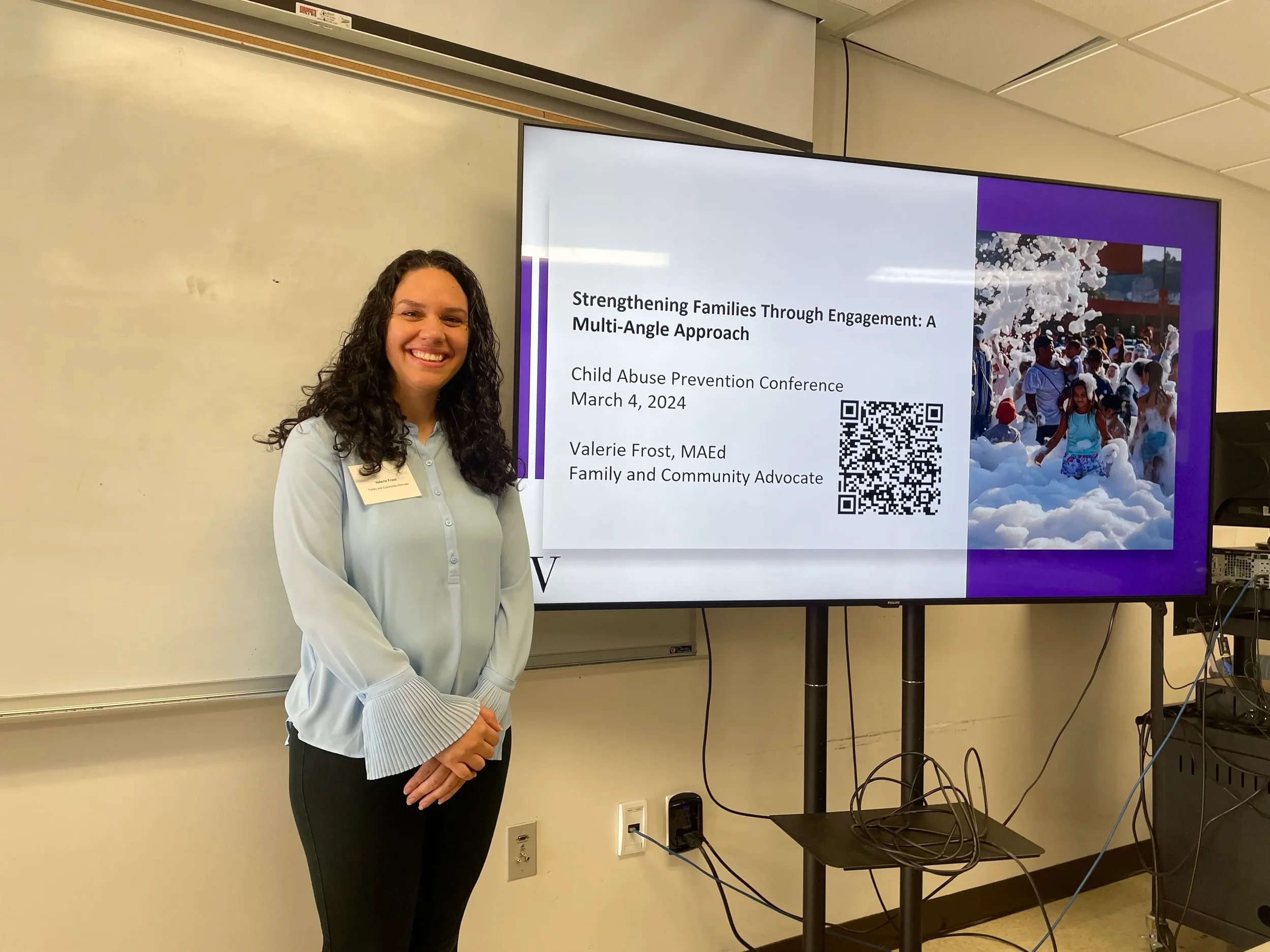
The readiness check is designed as a starting point.
Organizations interested in applying the framework more fully can explore additional resources, including:
the full Ethical Engagement Test guide™
workshops and training sessions
consulting support for designing ethical engagement structures
These resources help organizations move from intention to implementation.
Intellectual Property Notice
The Ethical Lived Experience Engagement Test™ and associated frameworks, tools, and diagrams were developed by Valerie Frost.
These materials are provided for educational and informational purposes. Reproduction, adaptation, or use of this framework for commercial training, consulting, or institutional programming without permission is prohibited.
© 2026 Valerie Frost. All rights reserved.